
WELCOME BONUS 300%
UP TO €2000 + 100
FREE SPINS
Home → Payments
Payment methods at Lucky Wave Casino
Visa and Mastercard: How Card Payments Work
A card deposit at Lucky Wave Casino runs through the same three steps for both Visa and Mastercard: choose the card option at the cashier, enter the card details, then approve the payment with the bank's authentication prompt. Both brands share the same limits, starting at €15 and capping at €6,000 per deposit, so the brand on the plastic does not change what the cashier accepts.
The practical difference lies with the issuing bank rather than the casino. A player depositing €15 with Visa and a player depositing €15 with Mastercard send the identical request; only the bank's fraud rules and the card's currency handling decide whether the payment clears on the first attempt.
Before the first withdrawal, the account must pass KYC, which stands for know your customer and means identity and address documents are checked once. A player who deposits with a card should therefore keep the card in their own name, because a third-party card and a mismatched document set will stall the payout.
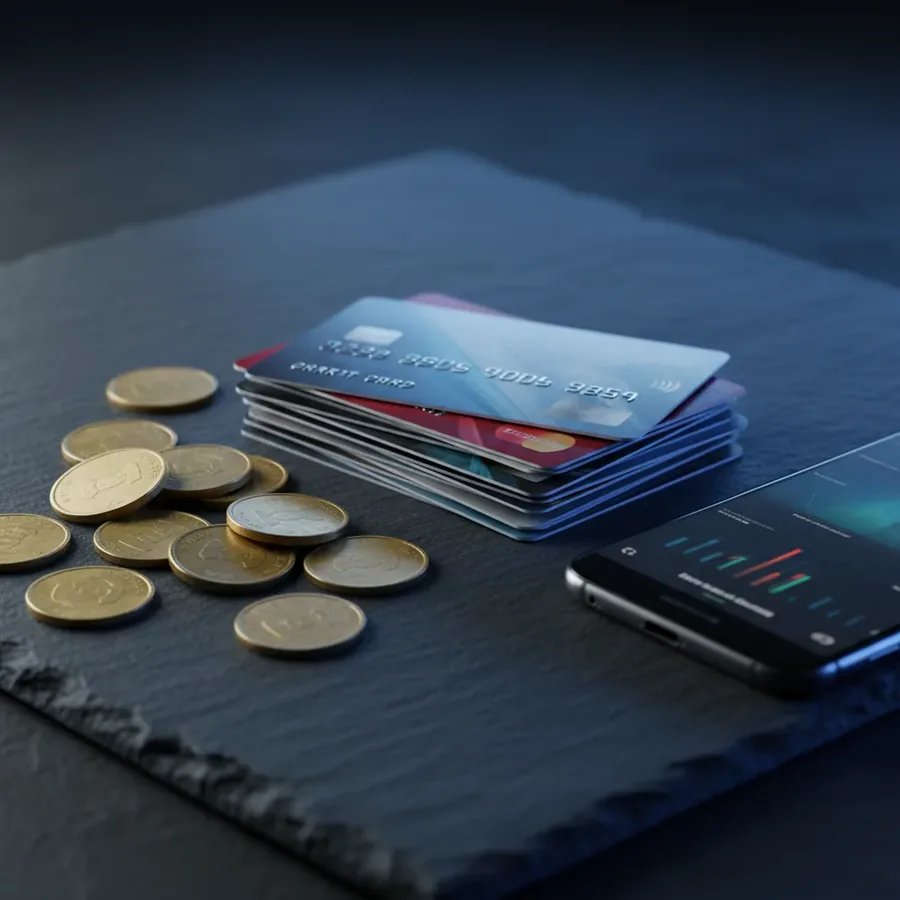
13 Payment Methods Compared
The cashier lists 13 payment methods across four families: cards, bank transfer, e-wallets and crypto. Card deposits start at €15 and reach €6,000, e-wallets such as Skrill and Neteller also start at €15 but reach €12,000, and the crypto coins Bitcoin, Ethereum, Litecoin, Ripple and Dogecoin start at €25 and reach €12,000.
Bank Wire is the outlier on both ends of the scale. It requires at least €25 to send and allows up to €15,000 in a single transfer, which is the highest maximum deposit among the 13 methods and 2.5 times the card ceiling of €6,000.
The lowest entry point across the whole list is €15, available on Visa, Mastercard, Skrill, Neteller, ecoPayz, MuchBetter and Jeton, while the highest maximum is €15,000 on Bank Wire. A player choosing between them should match the method to the amount: a €15 top-up and a €15,000 transfer do not use the same rail.
Confirming 3D Secure on Card Payments
3D-Secure is the extra verification step a bank adds to a card payment, and it must be completed inside the bank's own window rather than abandoned halfway. The card deposit at Lucky Wave Casino is not final until that confirmation returns a success message to the cashier.
A €15 Visa deposit and a €6,000 Mastercard deposit both trigger the same prompt. If the code or the banking app approval is entered incorrectly, the transaction is declined and no balance is credited, even though the amount may appear as pending on the statement for a short time.
The player should keep the banking app or the one-time code within reach before starting the deposit, complete the prompt without closing the window, and check the cashier balance afterwards. A pending charge with no credited balance means the confirmation did not return, and the deposit has to be retried.
Withdrawal Rejected: 4 Common Reasons
A rejected withdrawal usually traces back to one of four causes: incomplete KYC, a deposit method that cannot receive the payout, a mismatch between the account name and the payment details, or a bonus condition that is still attached to the balance. KYC requires ID and proof of address and is checked before the first withdrawal, so the documents must be uploaded and approved first.
The payment method itself matters here. Crypto deposits start at €25 and e-wallets at €15, but a payout generally returns along the same rail the money came in on, so a player who funded the account with Skrill or Neteller should expect the withdrawal to follow that route.
Name matching is the third trap: the account holder, the card holder and the e-wallet holder must be the same person. If a withdrawal is refused, the player should check the KYC status, the method used for the deposit and the exact name on the account before resubmitting the request.
SSL Encryption for Payments: What to Look For
SSL encryption protects the connection between the player's device and the cashier, so card numbers and e-wallet credentials are transmitted in an unreadable form. The check is simple: the browser must show a padlock and an address beginning with https before any card details are typed in.
This matters most for the card route, where Visa and Mastercard deposits range from €15 to €6,000 and the full card number is entered by hand. E-wallet logins for Skrill and Neteller and crypto transfers for Bitcoin or Ethereum carry credentials as well, and all of them belong behind the same encrypted connection.
A player should avoid entering payment data on a public network or on a device with an outdated browser, and should verify the padlock on every deposit page rather than only the first one. If the padlock is missing or the browser warns about the certificate, the deposit should be stopped and retried later.
Payment methods and deposit limits
| Method | Type | Min. Deposit | Limit |
|---|---|---|---|
| Visa | card | €15 | €6,000 |
| Mastercard | card | €15 | €6,000 |
| Bank Wire | bank | €25 | €15,000 |
| Skrill | e-wallet | €15 | €12,000 |
| Neteller | e-wallet | €15 | €12,000 |
| Bitcoin | crypto | €25 | €12,000 |
| Ethereum | crypto | €25 | €12,000 |
| Litecoin | crypto | €25 | €12,000 |
| Ripple | crypto | €25 | €12,000 |
| Dogecoin | crypto | €25 | €12,000 |
| ecoPayz | e-wallet | €15 | €10,000 |
| MuchBetter | e-wallet | €15 | €10,000 |
| Jeton | e-wallet | €15 | €10,000 |
Planning Live Table Bets: Minimum Bet and Balance
Live dealer tables require a balance that comfortably covers repeated base wagers, not just one round. The lowest deposit that opens a live table session is €15 with Visa, Mastercard, Skrill, Neteller, ecoPayz, MuchBetter or Jeton. Crypto players need at least €25 in Bitcoin, Ethereum, Litecoin, Ripple or Dogecoin.
Before joining a live game, the account balance should be compared against the intended base bet and the number of rounds the player expects to sit through. A balance of €50 with €1 base bets gives roughly 50 rounds before the account is empty, while €5 base bets leave only 10 rounds. Volatility at the table shortens that runway further.
Players who want more room can raise the deposit ceiling per method. Bank Wire accepts up to €15,000, the highest of all options, while e-wallets such as MuchBetter and Jeton cap at €10,000. The practical rule is to deposit an amount that keeps the individual table bet a small fraction of the balance.
A Mobile Withdrawal Request in 4 Steps
A withdrawal request on mobile runs through the account area and follows four distinct steps. The player starts by opening the cashier or banking section from the account menu, then selects the withdrawal option instead of deposit. This first step separates the action from a top-up and prevents accidental transfers.
The second step is choosing the payout method; the same payment brands used for deposits appear here, including crypto options like Bitcoin, Ethereum, Litecoin, Ripple and Dogecoin. The third step is entering the amount, which must stay within the limits of the selected method and the available balance.
The final step is confirming the request. Before a first withdrawal, KYC documents must already be accepted: an ID and a proof of address are required. A player who skips that step may see the payout held or rejected. Checking the document status before submitting the request is the safest order.
When Is a Withdrawal Considered Complete?
A withdrawal is complete only when the money has left the casino side and reached the payment account or wallet controlled by the player. A confirmed request is not the same as a completed payout; the status in the account changes from pending to processed before the funds appear at the receiving end.
For crypto methods, completion means the transaction is visible on the relevant blockchain for Bitcoin, Ethereum, Litecoin, Ripple or Dogecoin. For card and e-wallet payouts, the funds must be credited to the Visa, Mastercard, Skrill, Neteller, ecoPayz, MuchBetter or Jeton balance. Network delays sit outside the casino's control.
The first payout always depends on KYC: ID and proof of address must be accepted before the request can move forward. A player should therefore count verification as part of the timeline. After that first check is cleared, later withdrawals run without the same document step and are considered complete at the moment of credit.
A 2,000 Euro Bonus: What Deposit Does It Take?
The advertised 300% welcome bonus up to €2,000 plus 100 free spins is tied to a matching calculation, not a single fixed deposit. To receive the full €2,000 bonus, the deposit must be about €666.67, because 666.67 € x 300% = 2,000 €. A smaller deposit produces a proportionally smaller bonus.
A deposit of €100 under the same 300% rate returns €300 in bonus funds, giving a starting balance of €400 before free spins are added. The 100 free spins are part of the welcome offer and are granted alongside the match. No separate deposit is shown for the spins in the offer text.
The method used for the qualifying deposit affects the minimum, not the bonus percentage. Visa, Mastercard, Skrill, Neteller, ecoPayz, MuchBetter and Jeton start at €15, while Bitcoin, Ethereum, Litecoin, Ripple and Dogecoin start at €25. The upper deposit limit varies by method and can reach €15,000 via Bank Wire.
Deposit Failed? 5 Common Causes to Check
A failed deposit commonly starts with the amount falling below the method minimum. Visa, Mastercard, Skrill, Neteller, ecoPayz, MuchBetter and Jeton require at least €15, while Bitcoin, Ethereum, Litecoin, Ripple and Dogecoin require €25. A deposit of €10 is rejected before it reaches any payment provider.
The second cause is exceeding the maximum deposit of the chosen method. Visa and Mastercard cap at €6,000, ecoPayz, MuchBetter and Jeton at €10,000, Skrill and Neteller at €12,000, and Bank Wire at €15,000. Crypto methods accept up to €12,000. An amount above the ceiling fails at the cashier level.
A third cause is using a payment account that is not in the player's own name; the casino checks the payer against the KYC identity. The fourth is an unverified account where ID and proof of address have not been submitted before the first withdrawal, which can also block the flow of funds. The fifth is a declined transaction by the card issuer or e-wallet itself.
No Bank Account? 2 Methods That Work
Two e-wallets let a player fund the account without a bank account: ecoPayz and MuchBetter. Both start at a deposit of €15 and accept up to €10,000 per transaction, so the range covers small tests and larger top-ups. A player who wants no bank link at all can use either method for the first payment.
Jeton is the third e-wallet option and follows the same pattern, with a deposit from €15 and a deposit up to €10,000. That makes three e-wallets with identical limits, none of which requires a bank account. Anyone comparing them can treat the three as interchangeable on deposit size and choose on wallet availability instead.
The wider e-wallet group shows how far the no-bank route reaches: Skrill and Neteller each take a deposit from €15 up to €12,000, while the crypto routes Bitcoin, Ethereum, Litecoin, Ripple and Dogecoin each start at €25 and cap at €12,000. A player avoiding a bank account still has several paths above the €10,000 mark.
Start Verification Before First Withdrawal is Due
Verification, or KYC, is the identity check a casino runs before releasing money, and it must be finished before the first withdrawal is due. Two documents are required: an ID and a proof of address. A player should send both as soon as the account is opened, not when a withdrawal is requested.
The practical reason is sequence: a withdrawal request that arrives with unverified details sits until the ID and the proof of address are checked and matched to the account. Submitting a deposit of €15 with ecoPayz and then requesting a payout on the same day leaves no room for that check. The documents should therefore be uploaded in advance.
Once the ID and proof of address are on file and accepted, the first withdrawal can proceed without a document hold. A player should keep both files current, because an expired ID or an old address on the proof restarts the check. Checking the name on the account against the name on the documents avoids that delay.
Switching Payment Methods: What to Consider
A payment method can be changed between deposits, but the new route must be able to carry the amount intended. The deposit floors differ: e-wallets such as ecoPayz, MuchBetter and Jeton start at €15, while Bank Wire and the crypto routes Bitcoin, Ethereum, Litecoin, Ripple and Dogecoin start at €25. A player moving from an e-wallet to a crypto route crosses that threshold.
The ceilings move in the other direction. E-wallets cap at €10,000 for ecoPayz, MuchBetter and Jeton, while cards Visa and Mastercard cap at €6,000 and Bank Wire reaches €15,000. Skrill, Neteller and the five crypto routes sit at €12,000. A player who needs a single deposit above €10,000 cannot use the three capped e-wallets for it.
For a player who switches mid-way, the safe approach is to match the intended amount to the method before confirming. A deposit of €15 works on every e-wallet and card, a deposit of €25 is the floor for Bank Wire and crypto, and the top of the range, €15,000, is reachable only through Bank Wire. Checking both ends prevents a rejected or split payment.
Deposit Not Showing Up? 3 Things to Check First
A deposit that has not appeared in a Lucky Wave Casino balance usually comes down to three checks: whether the payment was actually completed, whether the chosen method has a processing delay, and whether the amount fell inside the method's accepted range. Working through these in order separates a normal pending transfer from a failed transaction.
First, confirm the payment left the source account and that the confirmation screen was reached. Card deposits through Visa or Mastercard start at €15 and run up to €6,000, while bank transfers begin at €25 and reach €15,000, so an amount below the method's own floor may simply never have been sent. A completed receipt is the evidence a player needs before contacting anyone.
Second, check whether the method settles instantly or in batches: e-wallets such as Skrill and Neteller start at €15 and go up to €12,000, and crypto transfers from €25 to €12,000 depend on network confirmations. Third, remember that ID and proof of address must be supplied before the first withdrawal, so an unverified account can hold up the visible balance even after the money has arrived.
Spotting and Reporting a Double Charge
A double charge appears when the same deposit is debited twice, and it is detected by comparing the payment history with the account balance. Two identical entries of €15 from ecoPayz, or two of €25 from Bank Wire, point to a duplicate rather than a single intended payment. The player should record both entries with their timestamps before reporting.
The report should name the method, the amount and both transaction references, because the two debits are separate records. If a €15 e-wallet deposit and a €25 crypto deposit both appear, only the duplicate of one amount is the error. Mixing the two figures in a single complaint slows the trace, so each duplicate should be listed on its own.
After reporting, the player should avoid repeating the deposit until the case is resolved, since a third attempt can add another debit to the same amount. Keeping the wallet or bank statement open while the check runs gives the reference needed at each step. The duplicate entry, not the intended deposit, is the one to flag.
Contact
Live - online chat
Banking









Providers












Lucky Wave Casino 2026